
Bug tracking: the key to quality, bug-free software
Discover how a good bug tracking system improves software quality, optimizes processes and reduces bugs.
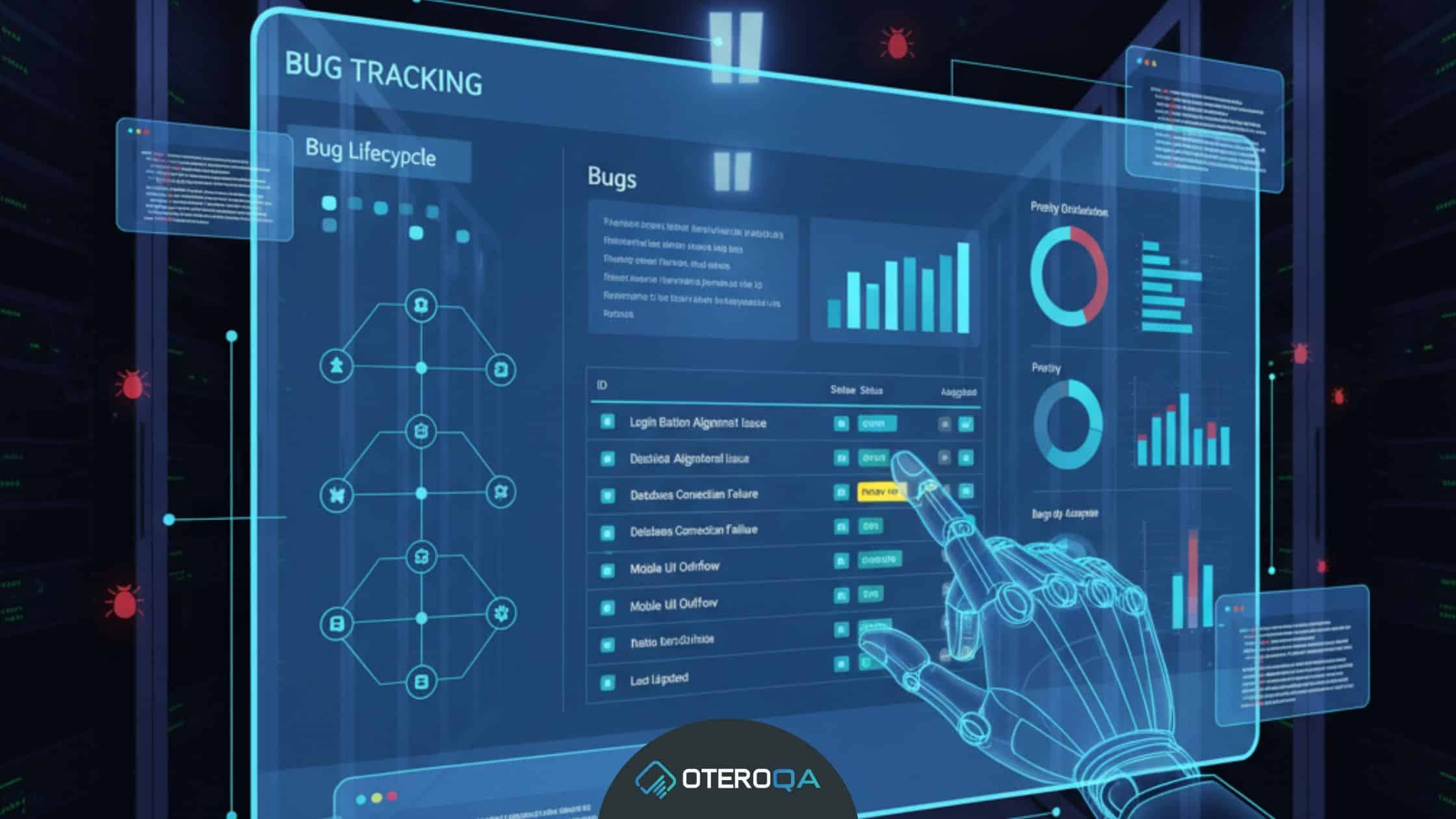
Table of contents
Bug tracking is one of the fundamental pillars of any software development process. Without a system that allows you to detect, log and resolve errors in an organized way, it is practically impossible to guarantee a stable, scalable product that is ready for the market. In an environment where delivery times are increasingly demanding and users expect flawless digital experiences, having an efficient bug tracking process is not just advisable: it is essential.
At Otero QA, as quality assurance specialists, we know that a good bug tracking system makes the difference between functional software and a truly competitive product. That is why we explain why it is so important and how it can transform the way your team develops and improves its applications.
What is bug tracking and why does it matter so much?
Bug tracking is the process by which the errors that arise during software development are identified, documented, prioritized and resolved. These defects can range from functional problems to visual errors, performance issues or unexpected behaviors.
Implementing a bug tracking system allows you to:
- Gain clarity on every issue detected.
- Prevent important errors from going unnoticed.
- Keep the team aligned and up to date on the status of each incident.
- Reduce development time by avoiding rework.
- Improve the final quality of the product and the user experience.
In short, it is a strategic tool for any company looking to launch reliable and competitive software.
How good bug tracking boosts your project
A professional, structured bug tracking process delivers key benefits:
1. Clear communication within the team
Every team member can view and understand the status of each reported error. This speeds up collaboration and avoids confusion.
2. Prioritization based on impact
Not all errors are equally urgent. A good system lets you classify them by severity, so that the ones that can affect the stability of the product are addressed first.
3. Real-time control and visibility
Modern tools notify you of any change in status, comment or update, which helps you stay in control across all phases of development.
4. Customized workflows
Every team has its own workflow. A flexible system can adapt to that methodology, whether it is agile, traditional or hybrid.
5. Reports and analysis for improvement
Bug tracking does not only help resolve current errors: it also provides valuable information to prevent future problems and improve the team's performance.
Bug tracking integrated with your development tools
One of the great advantages of modern bug tracking is its ability to integrate with platforms such as:
- Jira
- Trello
- GitHub
- CI/CD tools
- Test automation systems
This makes it possible to centralize all the project information and helps both developers and testers work from the same foundation.
Why trust Otero QA with your bug tracking
At Otero QA we have a team of software testing experts capable of implementing efficient bug tracking systems tailored to your project. Our approach combines:
- Manual and automated testing.
- Detailed analysis of incidents.
- Clear, decision-oriented reports.
- The use of professional QA tools.
- Methodologies that improve quality and reduce delivery times.
Thanks to our experience and strategic approach, we help you improve the stability, performance and usability of your digital product.
Conclusion
Bug tracking is not just one more phase within software development; it is an essential tool for guaranteeing high-quality results. Implementing it correctly lets you optimize resources, reduce rework and deliver products that truly meet end-user expectations.
If you want to raise the quality of your software and improve your QA process, at Otero QA we are ready to help you.
Get in touch and improve your bug tracking system today.